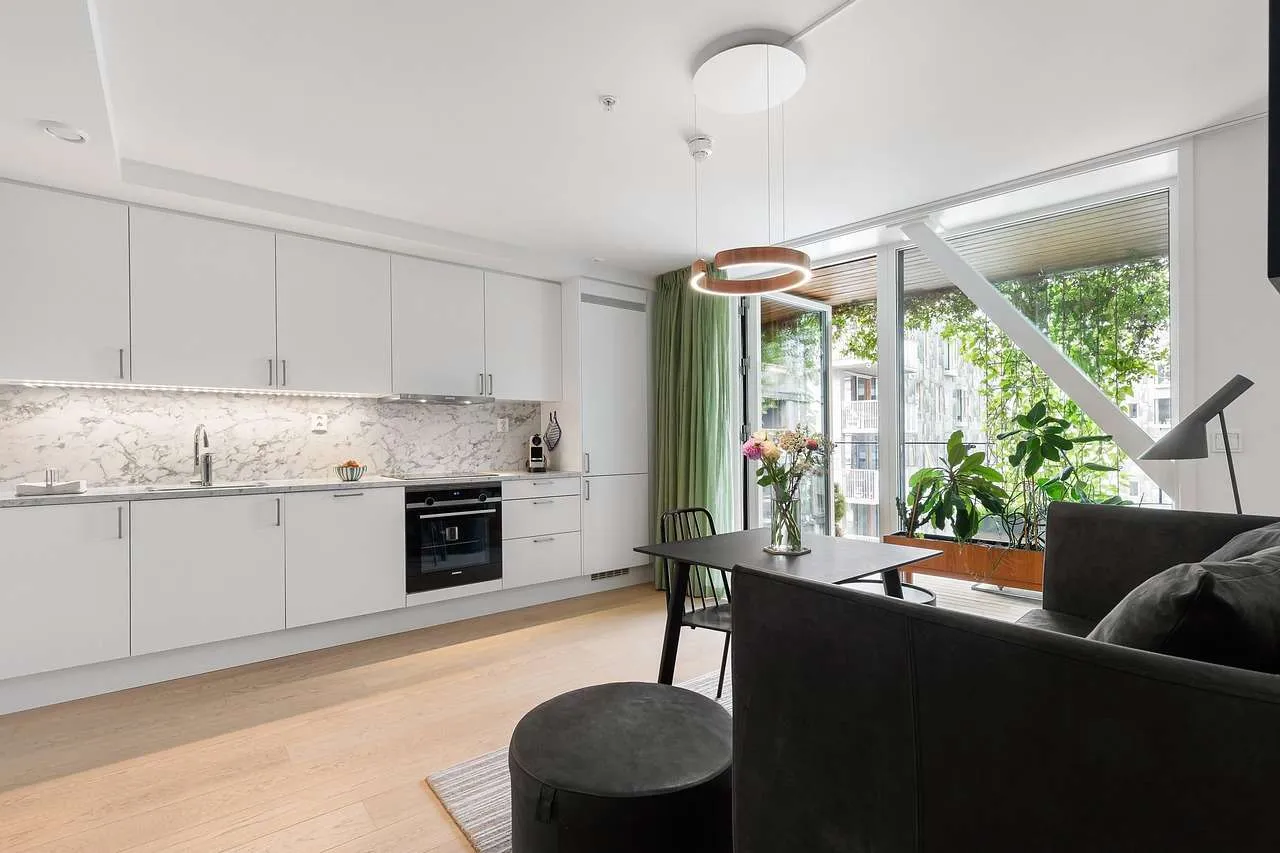
Introduction to Home Window Tinting
Home window tinting is an increasingly popular solution for homeowners looking to enhance privacy, reduce energy costs, and protect interiors from harmful UV rays. By applying a thin film to your home's windows, you can experience improved comfort and added security without compromising natural light.
What is Home Window Tinting?
Window tinting involves adhering a transparent or semi-transparent film to glass surfaces. These films come in a variety of shades and materials, designed to block heat, glare, and UV radiation. Home window tinting specifically addresses the needs of residential properties, balancing aesthetics with functionality.
Key Benefits of Home Window Tinting
- Energy Efficiency: Tinted windows can reduce heat gain during summer and heat loss in winter, lowering cooling and heating costs by up to 30%.
- UV Protection: Window films block up to 99% of harmful ultraviolet rays, preventing furniture, flooring, and artwork from fading.
- Enhanced Privacy: Depending on the film’s shade, window tinting increases privacy by limiting visibility from outside without blocking daylight.
- Glare Reduction: Window tints minimize glare from direct sunlight, improving comfort especially in living rooms and home offices.
- Increased Safety: Some window films provide shatter resistance, retaining glass fragments in the event of an accident or break-in.
Types of Home Window Tinting Films
| Type | Description | Benefits | Best For |
|---|---|---|---|
| Dyed Window Films | Layers of dye absorb solar heat and reduce glare. | Affordable, enhances privacy, reduces glare. | Budget-friendly homes prioritizing privacy. |
| Metalized Films | Metal particles reflect heat and strengthen glass. | Excellent heat rejection, increased durability. | Homes in hot climates needing durable protection. |
| Sputtered Films | Multi-layered metal coatings provide superior performance. | High heat and UV protection, fade-resistant. | Premium installations with high-efficiency goals. |
| Ceramic Films | Non-metallic nanoparticles block heat and UV rays. | Non-reflective, excellent clarity, and heat blockage. | Modern homes wanting aesthetic and performance. |
Installation Process and Considerations
Professional installation is strongly recommended for achieving the best results. The process typically involves:
- Window Cleaning: Complete removal of dust and debris to ensure proper film adhesion.
- Measurement and Cutting: Precise trimming of the film to fit each window pane.
- Application: Spraying a slip solution, then applying and smoothing the film to remove bubbles.
- Curing: Allowing the film to fully adhere and settle over several days.
When selecting a tint, consider your window type, desired privacy level, and local regulations regarding visible light transmission.
Cost Factors and Longevity
The cost of home window tinting varies based on film type, window size, and professional labor. On average, prices range from $8 to $15 per square foot installed. While cheaper films may offer short-term benefits, premium films provide longer-lasting durability, often guaranteed for 10 to 15 years.
Comparison Summary of Window Tinting Films
| Film Type | Heat Rejection | UV Protection | Price Range | Pros | Cons |
|---|---|---|---|---|---|
| Dyed | Moderate | Good | Low | Cost-effective, privacy | Fades over time |
| Metalized | High | Very Good | Medium | Durable, strong heat rejection | Interference with electronics |
| Sputtered | Very High | Excellent | High | Fade resistant, high efficiency | Higher cost |
| Ceramic | Very High | Excellent | High | Non-reflective, superior clarity | Most expensive |
Maintaining Your Window Tint
To ensure longevity of your home window tinting, avoid abrasive cleaners or razor blades that can scratch the film. Use a soft cloth and mild detergent to clean. Inspect for damage regularly, and consult your installer if bubbling or peeling appears.
Final Thoughts
Home window tinting offers substantial advantages for energy savings, UV protection, and home comfort. Choosing the right film and professional installation are key to maximizing benefits.
Summary: Home window tinting is a practical investment that enhances privacy, reduces energy costs, and protects interiors from damaging UV rays. Understanding the types of window films and their benefits, along with professional installation and proper maintenance, ensures optimal performance and longevity. Whether prioritizing cost-efficiency or premium performance, an informed choice on window tinting will improve your home environment significantly.