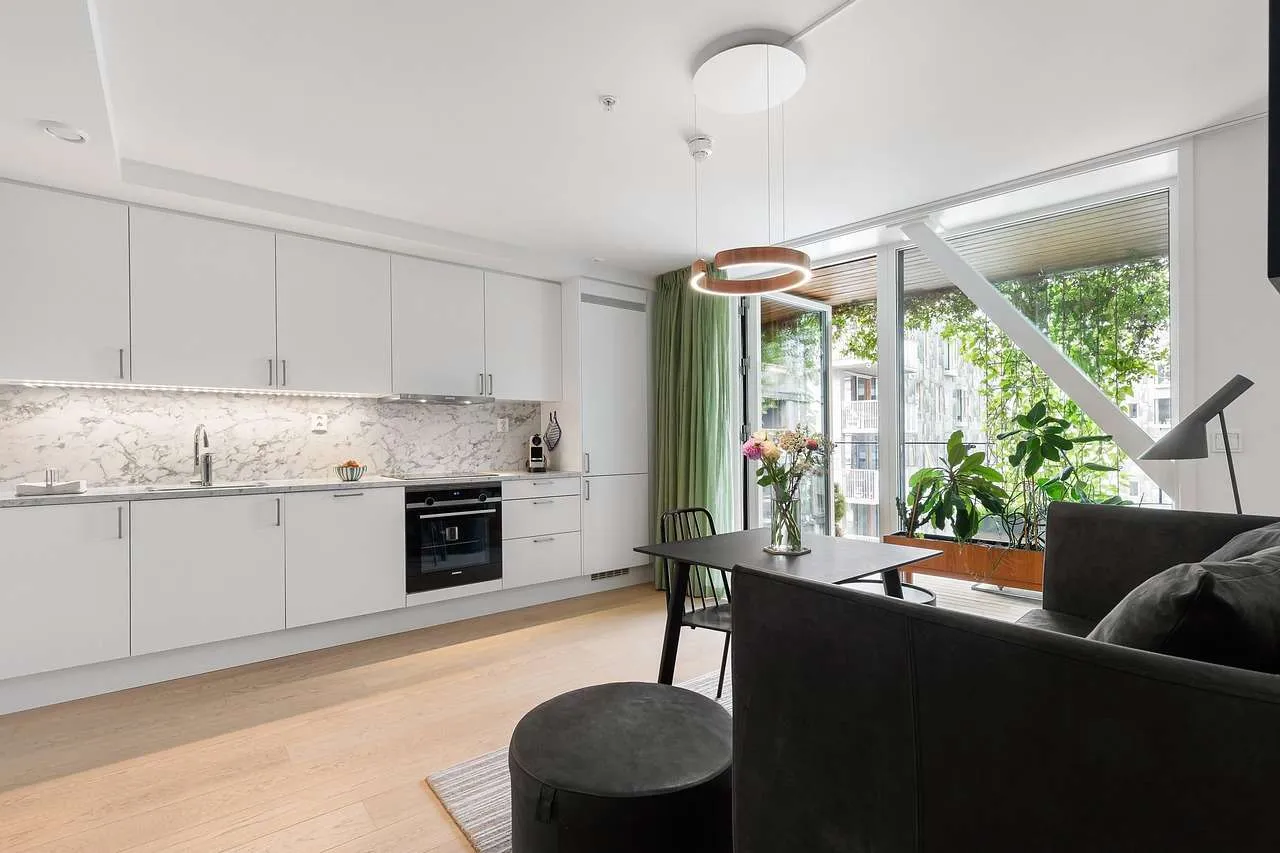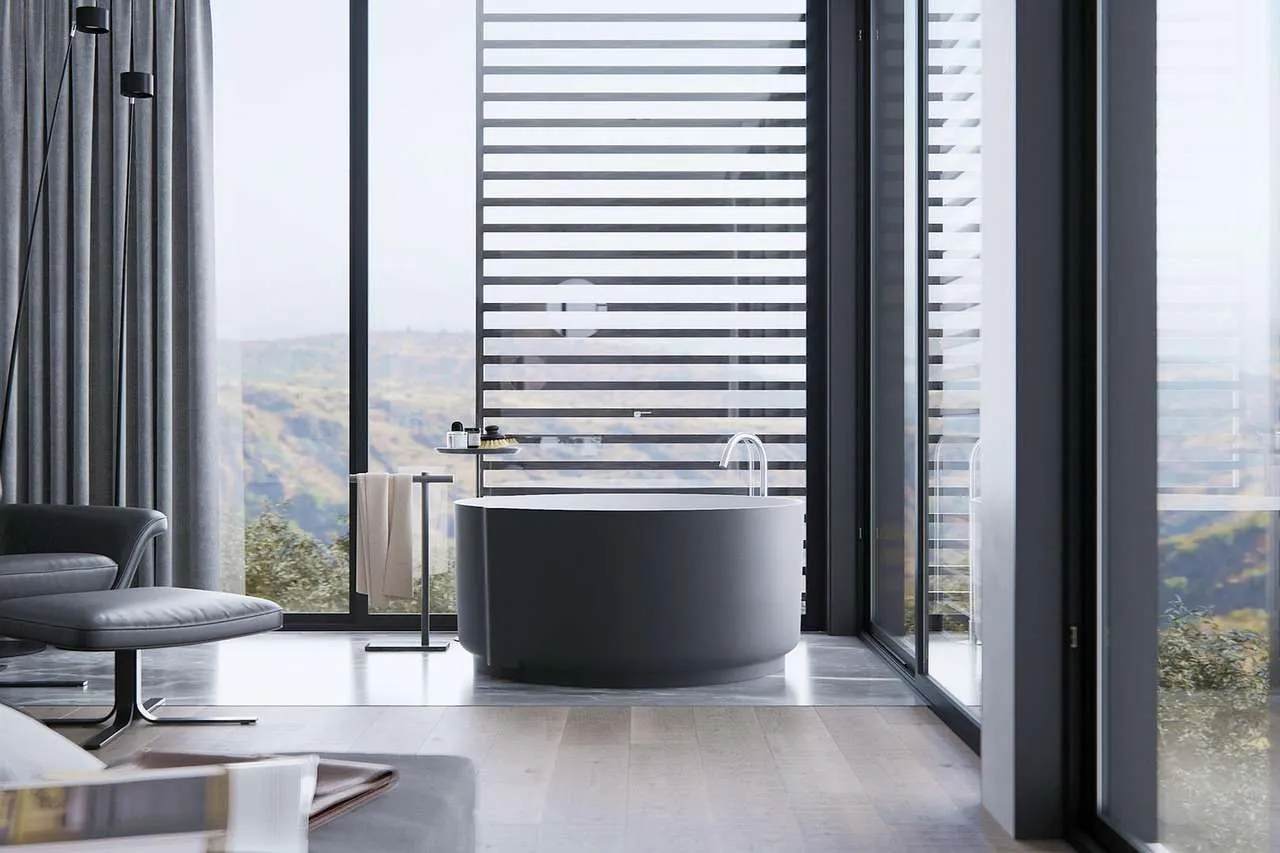
What is Home Window Tinting?
Home window tinting is the process of applying a thin film to interior glass surfaces to reduce heat gain, block UV rays, and improve comfort. Modern films come in a variety of shades and technologies, from basic dyed options to advanced ceramic formulations. When you search for home window tinting near me, you are looking for local, professional installers who can assess your home, recommend the right film, and complete a clean, long-lasting installation.
Benefits of Tinting Your Home
Tinted windows deliver multiple value adds for residential spaces. They can reduce solar heat by blocking a large portion of infrared radiation, leading to lower cooling costs in warm months. UV rejection helps protect furnishings, fabrics, and artwork from fading. People also notice reduced glare on screens and better comfort on sunny days. In addition, tinting can increase privacy without sacrificing natural light and, depending on the film, improve safety by holding shattered glass together in the event of an impact. Combined, these benefits contribute to a more energy efficient home and a more pleasant living environment.
How to Choose a Window Tinting Service Near You
To maximize results when you search for home window tinting near me, follow these steps:
- Check licensing and insurance for the contractor. This protects you and signals professional standards.
- Read local reviews and request references from recent residential jobs.
- Ask for a site assessment and written estimate that includes film type, warranty, and labor costs.
- Request samples or a demonstration of heat rejection and UV performance for the films you are considering.
- Compare warranties, service commitments, and lead times. Favor installers with clear, documented guarantees.
Protect your investment by choosing a local provider who can deliver a precise measurement, proper surface preparation, and professional cleanup. A trustworthy installer will explain energy savings estimates and show you the expected indoor comfort improvements based on your home’s orientation, glass type, and climate.
Common Tint Types and Their Pros and Cons
Dyed Window Film
Pros: Affordable, enhances privacy, reduces glare, and gives a uniform appearance. Cons: Can fade or yellow over time and does not block as much heat as higher-end films.
Metalized Film
Pros: Strong heat rejection and a reflective look that reduces glare. Cons: Can interfere with electronics and may show blotchy reflections if applied poorly.
Ceramic Film
Pros: Excellent heat rejection, high UV blocking, minimal color change, does not interfere with signals. Cons: Higher upfront cost but long-term savings often justify the price.
Carbon Film
Pros: Rich, non-reflective appearance, good UV rejection, stable over time. Cons: Mid-range cost; performance depends on the quality of the carbon formulation.
Laminated Film
Pros: Superior impact resistance, enhanced safety, good UV rejection. Cons: Heavier and more expensive; installation requires skilled handling to avoid bubbles.
Comparison of Tint Types
| Tint Type | Heat Rejection | UV Rejection | Glare Reduction | Privacy | Pros | Cons |
|---|---|---|---|---|---|---|
| Dyed Film | Moderate | Good | Moderate | High | Budget-friendly, easy to install | Fades over time, less heat protection |
| Metalized Film | High | Excellent | High | Moderate | Excellent glare control, strong look | Potential interference with devices |
| Ceramic Film | Very High | Excellent | Very High | Moderate | Best overall performance, non-reflective | Higher cost |
| Carbon Film | High | Good | High | Moderate | Non-reflective, durable look | Cost varies by brand |
| Laminated Film | Very High (with safety core) | Excellent | High | Moderate | Enhanced safety, strong performance | Most expensive option |
Cost Considerations and Return on Investment
Prices vary by film type, window size, and installation complexity. A typical residential project may range from a few hundred to several thousand dollars. Ceramic and laminated films generally cost more but offer superior heat rejection and durability. Consider the long-term energy savings and furniture protection when evaluating quotes. A credible installer can provide a simple ROI estimate based on your climate, home size, and current cooling costs.
Find Home Window Tinting Near Me: Practical Tips
To improve your chances of a satisfactory outcome, search with intent and diligence. Use maps and local directories to identify nearby installers, then narrow the list by checking licenses, warranties, and recent residential projects. Ask for on-site demonstrations or references, and request a written estimate with the exact film model, UV rejection percentage, Visible Light Transmission VLT, and warranty terms. Look for installers who disclose energy performance metrics and can show a portfolio of before and after photos that reflect real homes similar to yours.
Conclusion
Conclusion, by choosing the right home window tinting near me service, you gain comfort, energy savings, privacy, and protection for your family and furnishings. Prioritize licensed installers, quality film, warranty, and transparent quotes to ensure lasting value.